Is Lapland Worth the Money? Realistic Cost Breakdown (2026)
Lapland looks like something pulled straight from a Christmas movie. The idea of glass igloos glowing under the Northern Lights, husky sleds racing through snowy forests, and cosy cabins tucked away in total silence is enough to make anyone’s jaw drop.
But it is also quite famously expensive. That leaves many people asking the same question before they book anything: is Lapland actually worth the money?
The honest answer is that it depends on your expectations, your budget, and the type of experience you are looking for. A trip to Lapland can feel once-in-a-lifetime magical, or it can feel painfully overpriced if you go in unprepared. Understanding where the money goes makes it much easier to decide whether it feels worth it for you.
Here’s a realistic look at what a Lapland trip actually costs, what you get for that price, and when it might make more sense to spend your money elsewhere.
Why is Lapland so Expensive in the First Place?
Lapland’s high prices don’t just come from hype.
It is a remote region with a harsh climate, short tourism seasons, and limited infrastructure in many areas. Supplying hotels, running tours, and maintaining transport links in Arctic conditions costs significantly more than in most European destinations.
On top of that, demand is incredibly high during winter, particularly around Christmas. When you combine limited supply with such strong seasonal demand, prices rise quickly. That is why a room that costs £90 a night in autumn might be £300 or more in December.
The Cost of Flights to Lapland
Flights are often the first financial hurdle for customers looking to travel to Lapland.
Direct return flights from the UK to Rovaniemi, one of Lapland’s most popular gateways, typically cost around £70-£150 in the shoulder seasons, if booked early. However, during peak winter months – especially December and around school holidays – return flights can climb to £200-300 or more per person.
We were extremely lucky to get our flights from Dublin to Rovaniemi with Ryanair for just £65 per person. As we’re light packers, that only included a small backpack, though, which wouldn’t suit many travellers.
Bags and seat selection are what boost most flight prices sky high for families wishing to travel to Lapland. And as one of the coldest destinations in Europe, it’s hard to pack light!
If you are willing to fly via Helsinki or another European hub with a connection, you can sometimes find return flights for a lot cheaper (it just depends on where you’re flying from, really), but that requires flexibility – which many families do not have a huge degree of.
The good news is that new flight routes between UK airports and Rovaniemi are opening up all the time – especially with Ryanair, which is the UK’s cheapest airline.
How Expensive is Accommodation in Lapland?
Accommodation can be where Lapland really starts to stretch budgets. Those iconic glass igloos, which let you lie in bed and watch the aurora from your duvet, come with prices that reflect their rarity. In high season, rates for a glass igloo starting from mid-December through January typically begin around £350-£500 per night and can go significantly higher for larger or more luxurious units.
Standard hotel rooms in Rovaniemi or nearby towns are much cheaper, but still expensive compared to much of Europe. A decent double room in a mid-range hotel in December will usually set you back £100-£180 per night, and basic guesthouses often start around £80-£120.
Outside of the winter peak, in months like September, October, or early March, many hotels drop prices dramatically. Same hotel rooms that cost £200+ per night in December can fall to £60-£100 per night – a difference that often makes the trip feel far more affordable.
The Price of Activities and Tours in Lapland
Most people do not go to Lapland just to sit in their accommodation. Activities are a major part of the experience, and they’re another major part of the cost.
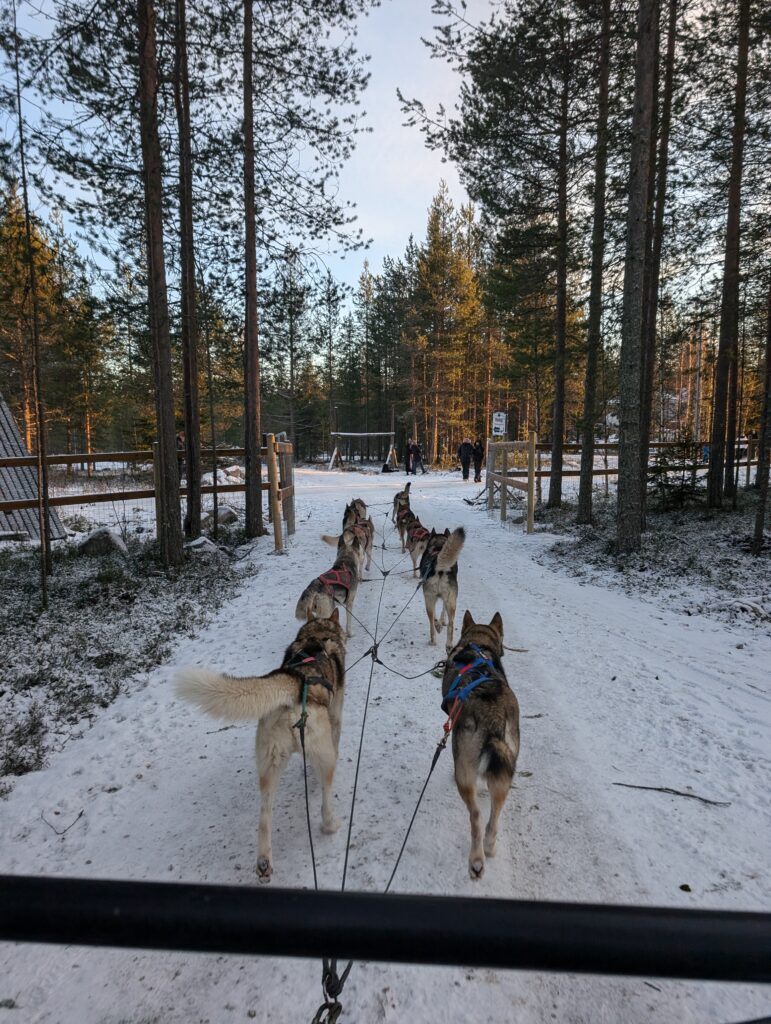
A single husky sledding safari in winter generally costs around £100-£150 per person for a short experience. Longer excursions or multi-hour tours across the region can cost £180-£250 or more.
Snowmobiling tours are another popular option, typically priced around £120-£180 per person, depending on duration and whether food or transfers are included.
Reindeer sleigh rides usually cost approximately £60-£90 per adult, and Northern Lights tours – which often include evening drives to find clearer skies – can range from £70-£120 per person.
If you plan to do several activities over your stay, these costs add up quickly, and it’s easy for activity fees alone to exceed £500-£700 per person on a short trip.
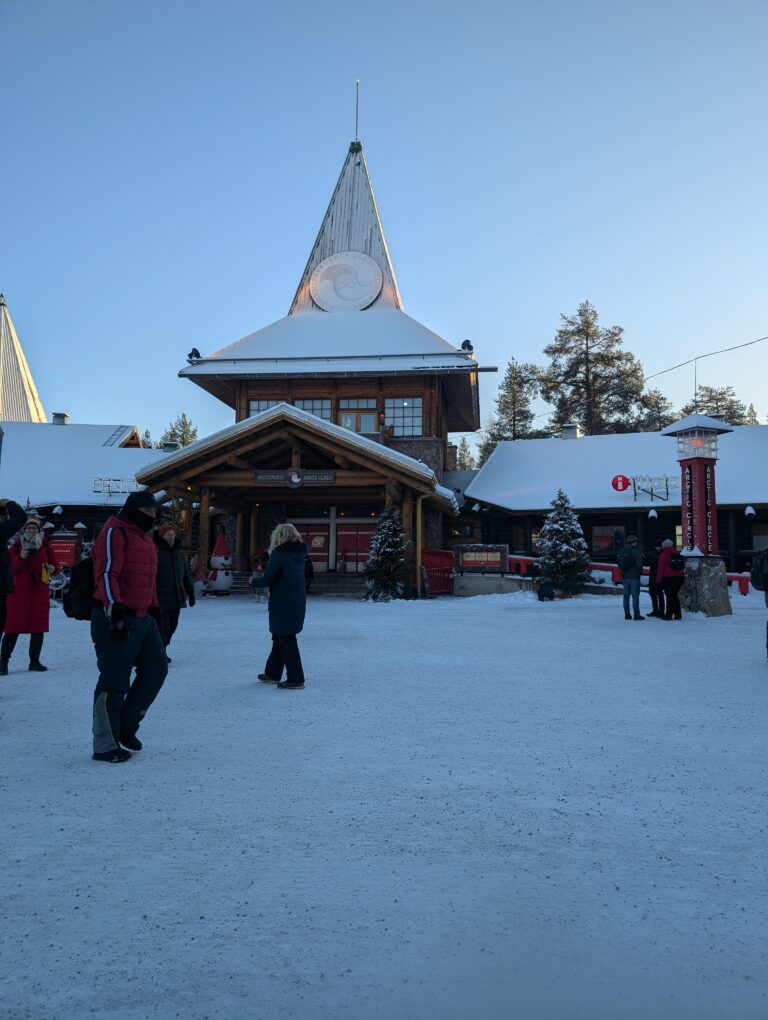
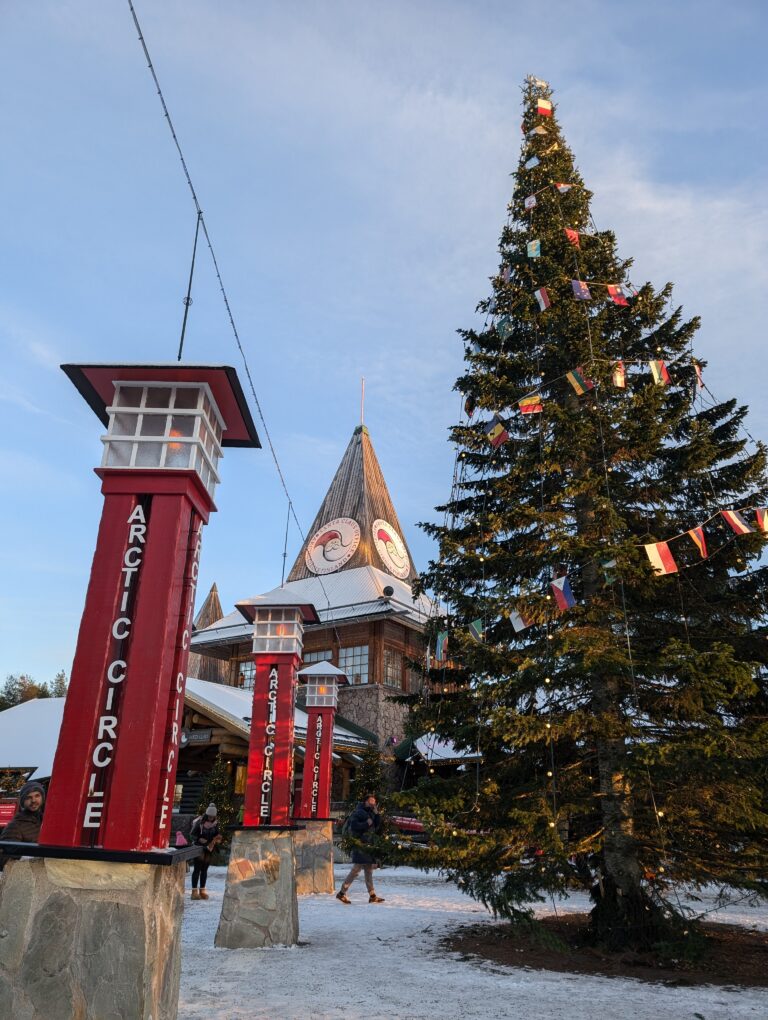
That being said, there are also plenty of cheaper and even free activities across Rovaniemi and the famous Santa Claus Village. We enjoyed visiting a petting farm for just a few pounds, we played around in the snow, visited the Arctic Post Office and even visited Santa for free (you just pay for the photo).
Food and Daily Expenses
Food in Lapland is expensive, but not shockingly so compared to other Nordic destinations. A casual meal in a simple restaurant usually costs around £15-£25 for a main dish, while a more substantial dinner with drinks can easily reach £30-£50 per person or more in tourist areas. Coffee and pastries are typically £4-£7 each in cafés.
If you eat out for every meal for three days, you might spend around £150-£200 per person on food alone.
Self-catering helps reduce costs, particularly if your accommodation includes a kitchen or kitchenette. Even buying groceries will be slightly more expensive than in the UK, but it’s often far cheaper than dining out every meal.
We had a small kitchenette in our accommodation, allowing us to make simple microwave meals and noodle pots we’d bought from the supermarket – while not the most nutritious, the money saved was worth it in our eyes. We also packed picnics to take into the Santa Claus Village with us.
What You Are Really Paying For
It is easy to look at the numbers and feel put off, but the real question is what you actually get in return. Lapland offers experiences that are genuinely difficult to replicate elsewhere. Seeing the Northern Lights overhead, standing in total silence surrounded by snow, or watching huskies race through frozen forests feels completely different to most standard European city breaks.
For many people, these are not just activities but memories that last a lifetime. The value of Lapland is tied closely to the kind of memories you want to make. If those moments are things you deeply value, then the costs often start to feel more justified rather than outrageous.
When Lapland Feels Worth the Money
Lapland tends to feel worth the cost when expectations are realistic and the trip is planned carefully. Travellers who understand that they are paying for remoteness, extreme landscapes, and once-in-a-lifetime experiences are usually far happier with the price they pay.
It also feels more worthwhile when you choose the right season. Visiting in September and October or later February and early March – when flights and hotels are cheaper, but snow and aurora opportunities still exist – often offers a much better balance between cost and experience. Many travellers report that trips during these shoulder seasons feel significantly better value than peak winter, without sacrificing the magic.
Lapland also feels more worthwhile if it is part of a special occasion, such as a honeymoon, milestone birthday, or bucket-list adventure. Attaching real emotional value to a trip helps justify spending a bit more than you might for a standard city break.
When Lapland Might Not Feel Worth It
Lapland can feel disappointing if you go purely because of social media expectations. Instagram and TikTok have created a very specific image of what Lapland looks like, and reality does not always match that picture. You might not see the Northern Lights. You might have overcast skies all week. Your glass igloo or cosy cabin might not feel quite as enchanting in person as it did online.
It can also feel overpriced if you go during peak season without fully understanding the costs. December trips in particular often come with extremely high flights, hotel rates, and tour prices, and that can make the entire holiday feel like a big financial stretch.
So, Is Lapland Worth It?
Lapland is not a budget destination, and it never will be. But for the right traveller, at the right time of year, it can absolutely be worth the money.
If you are looking for warm weather, nightlife, or constant stimulation, your money will go much further elsewhere in Europe. If you are drawn to Arctic landscapes, quiet moments, natural beauty, and the idea of experiencing something genuinely unique, Lapland can feel priceless.
The key is going with open eyes. Understand the costs, choose your timing wisely, and plan your activities intentionally. When you do that, Lapland stops feeling like an overpriced trend and starts feeling like a carefully chosen experience.