Best Time to Visit Lapland – Weather, Northern Lights & Cost (2026 Guide)
Lapland is one of those destinations that feels almost mythical. With snow-covered forests, reindeer sleigh rides, Northern Lights dancing overhead, and cosy cabins straight out of a Christmas film, it’s a destination that’s absolutely magical.
But when is actually the best time to visit Lapland?
The simple answer depends on what you want to see, how much you’re willing to spend, and how cold you can handle. Lapland looks completely different in winter, spring, summer, and autumn – and each season comes with its own pros, cons, and price tag.
Here’s a realistic breakdown of Lapland’s weather, Northern Lights chances, and costs by season, so you can decide when to go. Let’s get started…
When is the Best Time to Visit Lapland?
The short answer to this question is that there is no single best time to visit Lapland, as every season has pros and cons.
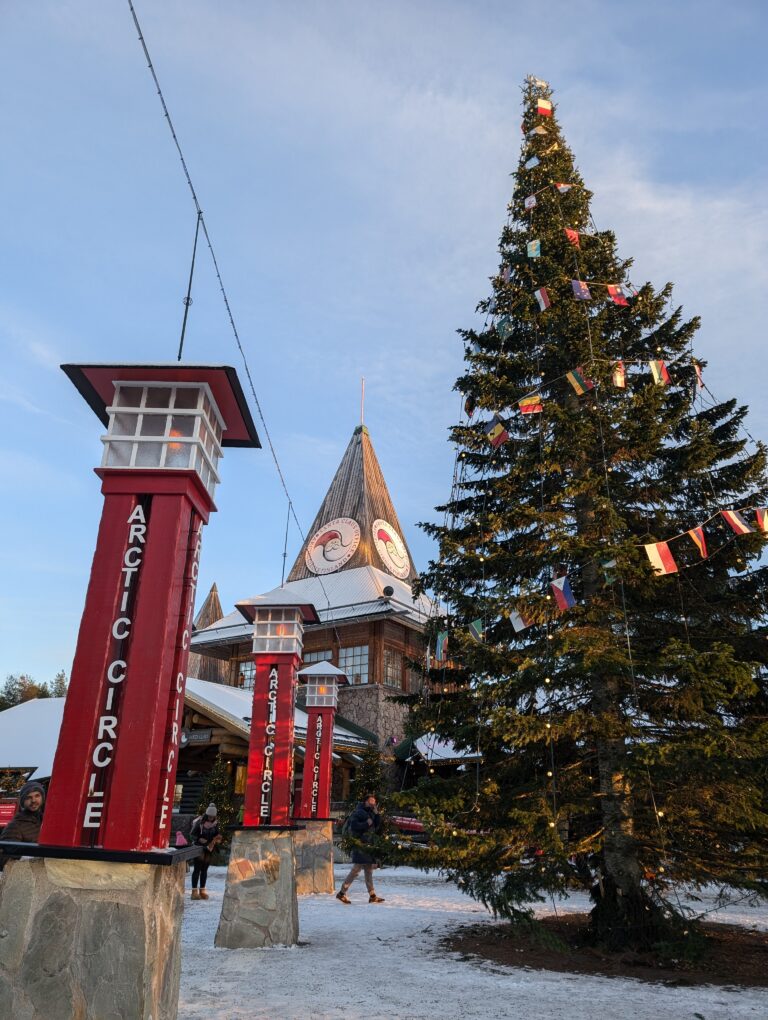
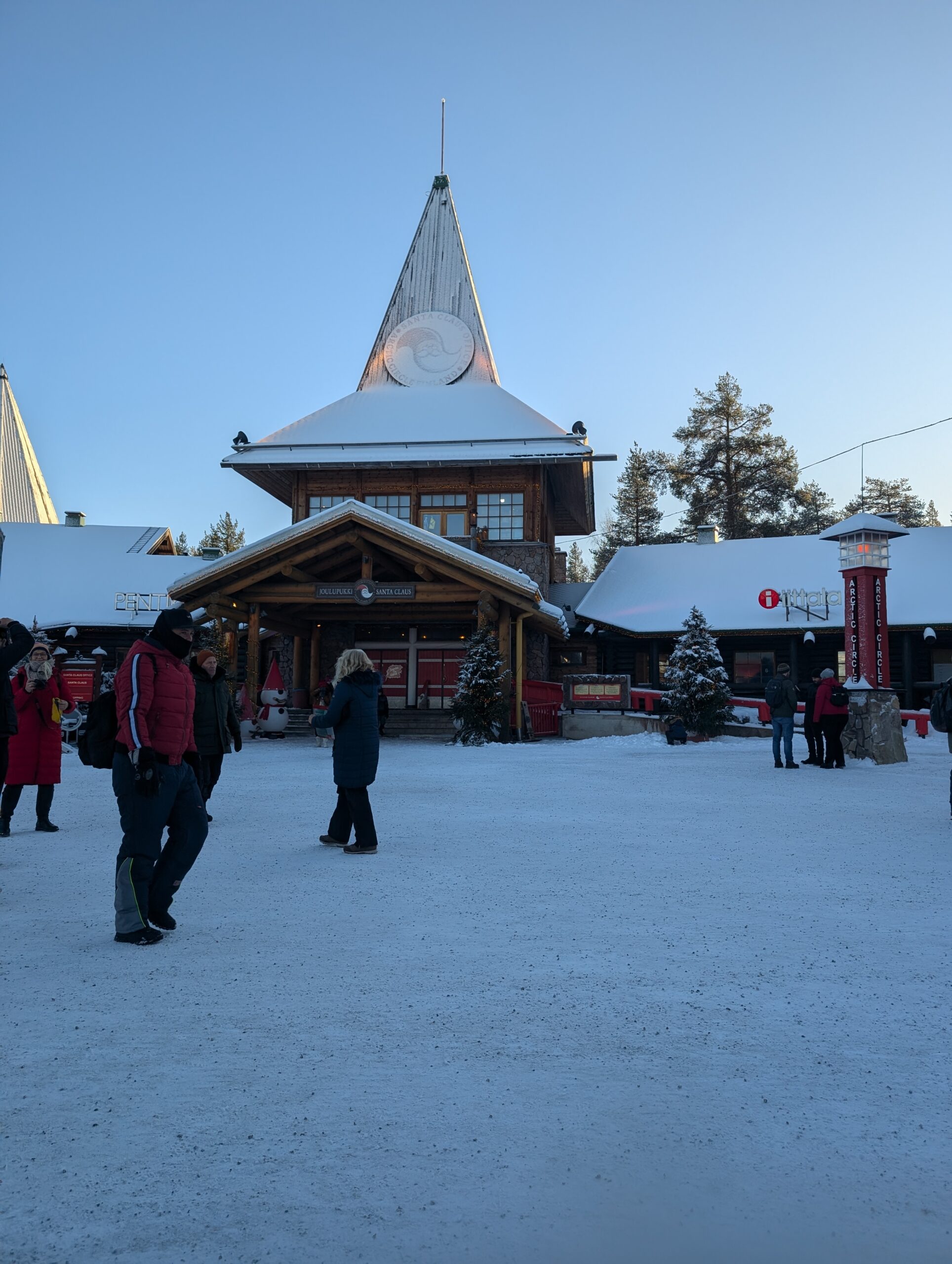
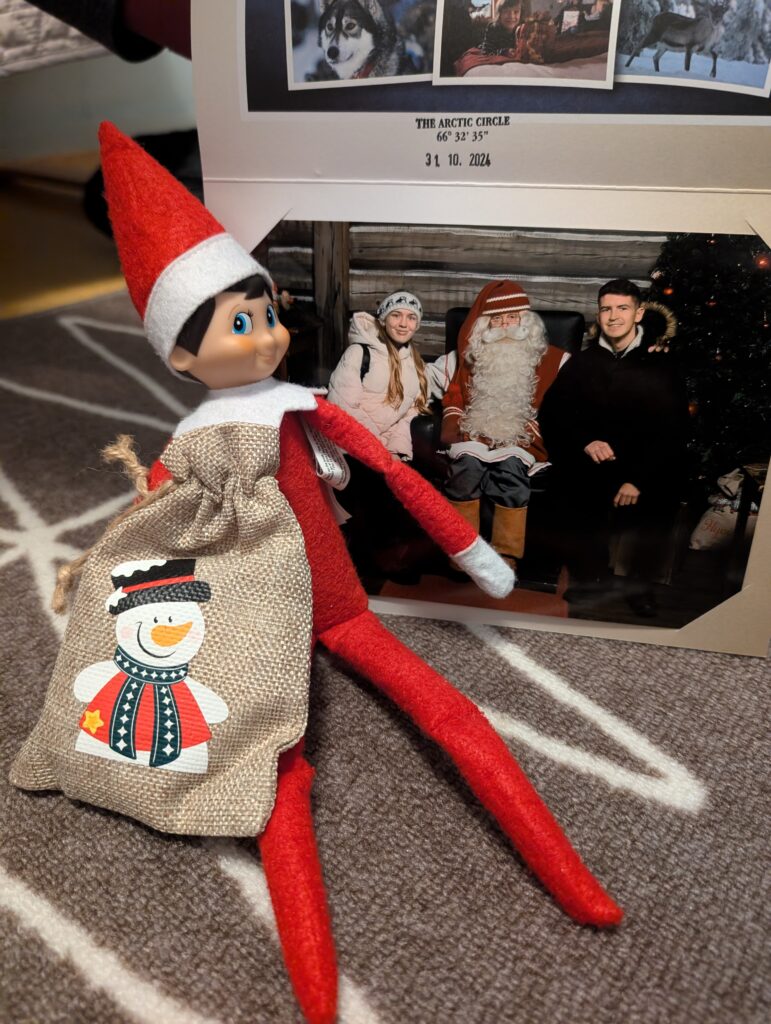
But if you’re looking for that classic “storybook” holiday, then Winter is pretty hard to beat. With snow on the ground, an epic festive atmosphere and activity lineup and the chance of seeing Northern Lights, you’d be mad not to travel during the peak season (as long as your budget allows)!
Winter in Lapland
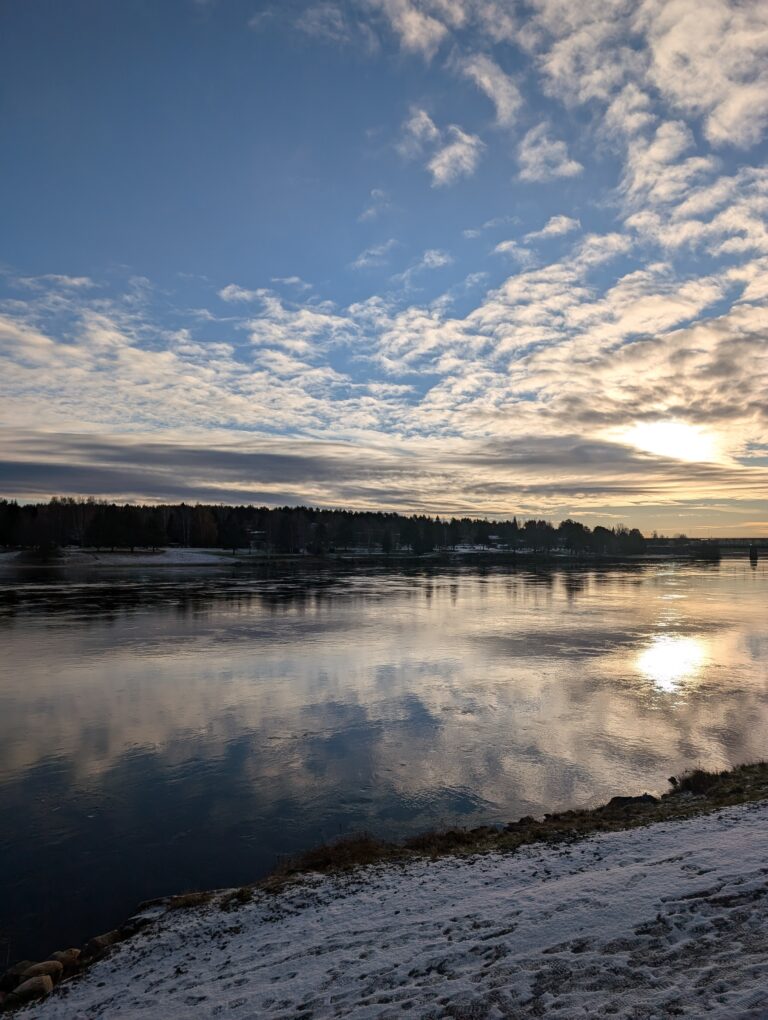
Winter is what most people imagine when they think of Lapland. Thick snow blankets the landscape, lakes freeze solid, and the entire region takes on a storybook feel. This is the season for husky sledding, snowmobiling, reindeer rides, and cosy evenings spent in wooden cabins.
Temperatures during winter are extreme, particularly between December and February, when it is common for daytime temperatures to sit well below freezing. It is not unusual for parts of Lapland to experience temperatures of minus twenty degrees or colder. March is still firmly winter, but the days are longer, and the cold is slightly more manageable.
Winter is also one of the best times to see the Northern Lights. The long, dark nights give you plenty of opportunities, especially when skies are clear. That said, winter is also peak tourist season, and this is reflected in the price.
Flights, accommodation, and tours are at their most expensive, particularly around Christmas, New Year, and school holidays. A winter trip to Lapland can quickly become costly, especially if you plan to stay in more unique accommodations like glass igloos.
Spring in Lapland
Spring in Lapland is quieter and less talked about, but it can be appealing for travellers who want to avoid crowds. Winter does not end abruptly here, and snow often lingers well into April, especially further north.
April is still cold, with temperatures frequently below freezing, while May begins to feel milder as the snow slowly melts. The landscape can look a little messy during this transition period, as frozen ground turns slushy and winter activities begin to wind down.
You may still be able to see the Northern Lights in early April, but by late spring the nights become too bright. Prices during spring are noticeably lower than in winter, and accommodation is easier to find. However, some winter tours stop operating as snow conditions become unreliable.
Summer in Lapland
Summer in Lapland often surprises people. Instead of snow and darkness, the region experiences long days, green landscapes, and what is known as the Midnight Sun. In parts of Lapland, the sun barely sets for weeks at a time.
Temperatures are mild and comfortable, usually sitting between ten and twenty degrees, making it the easiest time of year to be outdoors. Hiking, canoeing, fishing, and exploring national parks become the main focus. Wildlife is also more active during the summer months too.
However, there are two major drawbacks for many travellers: the Northern Lights are not visible at all during summer due to continuous daylight and you’ll not see any snow. Costs during summer are lower than in winter, but higher than in spring or autumn, particularly in popular hiking areas.
Autumn in Lapland
Autumn is often considered one of the best-value times to visit Lapland. September brings crisp air and vibrant autumn colours, while the nights begin to grow dark enough for the Northern Lights to return.
September and early October are especially appealing. The weather is cool but not yet harsh, crowds are smaller, and aurora sightings are possible without the high costs of winter. By late October and November, temperatures drop further, daylight becomes limited, and the landscape can feel quite stark before the snow fully settles.
Accommodation and tours are generally cheaper in autumn, particularly outside of late November when winter tourism starts to pick up again. While snow-based activities are limited during this season, autumn is excellent for Northern Lights viewing on a budget.
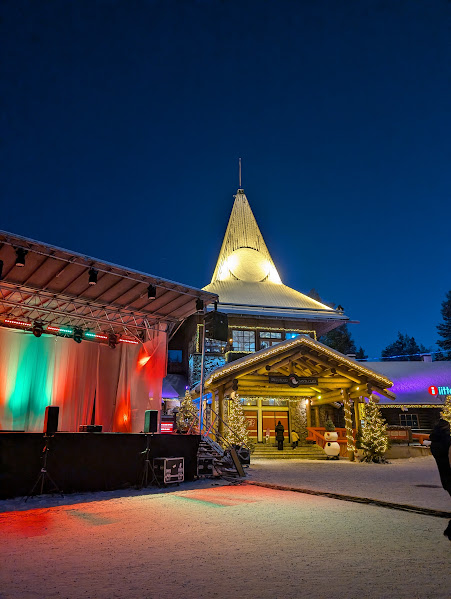
So, overall, there is no single best time to visit Lapland, as it depends entirely on what you want to experience. Winter is unbeatable for snow, festive atmosphere, and winter activities, but it is also the most expensive and coldest option. Autumn and early spring are better choices for those hoping to see the Northern Lights without paying peak prices. Summer is ideal for hiking and outdoor adventures, but it does not offer the iconic snowy landscapes or aurora displays.
If you are looking for the classic Lapland experience and your budget allows, winter is hard to beat. If your priority is seeing the Northern Lights for less money, September or early March are excellent alternatives.
Final Thoughts: Best Time to Visit Lapland
Lapland is a destination that changes dramatically throughout the year, and that is part of what makes it so special. Whether you visit during the depths of winter or under the Midnight Sun, the experience will be completely different depending on the season you choose.
The key is deciding what matters most to you before you book. Snow, Northern Lights, mild weather, or lower costs all point to different times of year. Once you know your priorities, choosing the right season for Lapland becomes much easier.